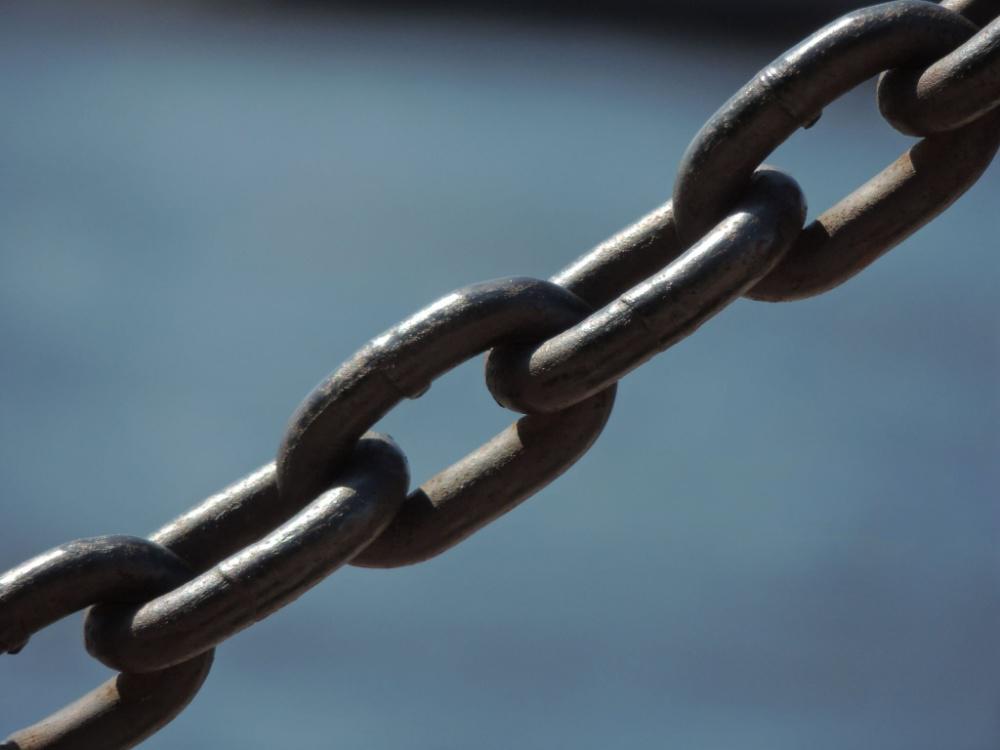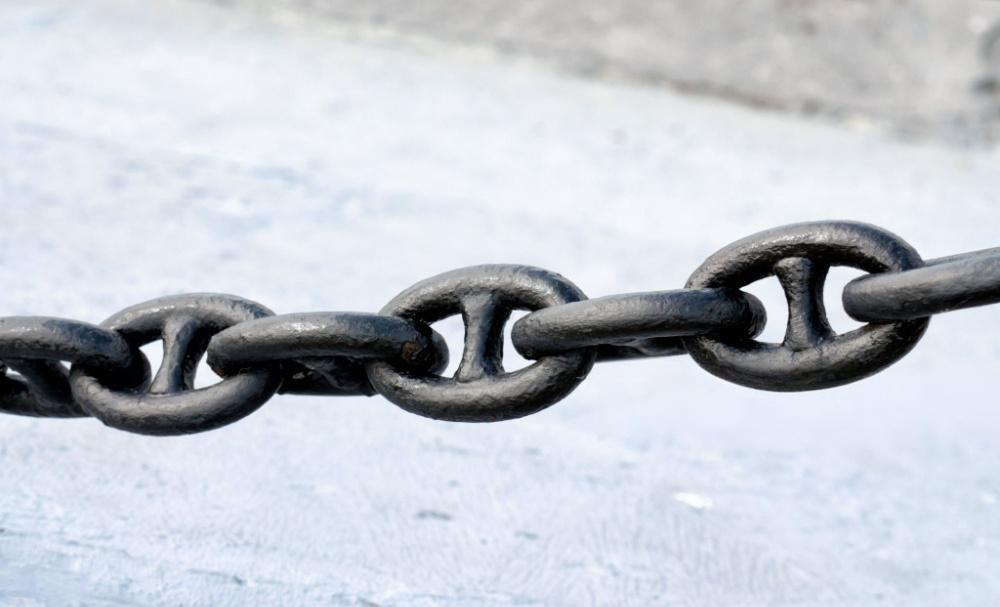
Marine anchor chains are critical components in maritime operations, ensuring vessels remain securely anchored even in challenging conditions. This blog explores their types, accessories, manufacturing standards, and best practices for selection and maintenance.
What Are Marine Anchor Chains?
Marine anchor chains connect the anchor to the vessel, transmitting the anchor’s holding force to stabilize the ship. They are designed to withstand high tensile loads, corrosion, and abrasive marine environments.
Key Components:
- Chain Links: Available as studded (with a central stud for added strength) or studless (simpler design).
- Materials: Typically made from high-strength steel grades like 20Mn (CM490) or 30Mn (CM690), with options for galvanized or stainless steel finishes.
- Surface Treatments: Hot-dip galvanizing, black paint, or self-colored finishes for corrosion resistance.
Types of Marine Anchor Chains
By Structure
- Studlink Chains: Feature a central stud to prevent deformation under load and reduce tangling. Commonly used in commercial shipping.
- Studless Chains: Lighter and simpler, suitable for smaller vessels or temporary mooring.
By Application
- Ship Anchoring Chains: Designed for temporary anchoring, with grades like AM1, AM2, AM3 (for general use) and R3, R4, R5 (for offshore mooring).
- Mooring Chains: Heavy-duty chains for permanent offshore installations, rated up to R4S or R5 grades.
By Manufacturing Method
- Welded Chains: Produced using flash butt welding for superior strength and consistency.
- Forged Chains: Less common due to higher costs but offer exceptional durability.
Essential Anchor Chain Accessories
Shackles
- Kenter Shackles: Connect studlink chains, available in Grade 2 or 3 for different load capacities.
- End Shackles: Link the chain to the anchor or vessel, often heat-treated for extra strength.
- Swivel Shackles: Prevent chain twisting during deployment, critical for deep-water anchoring.
Connectors and Fittings
- Join Shackles: Assemble chain sections, designed to match the chain’s diameter and grade.
- Swivels and Pear Links: Reduce torsional stress, ensuring smooth operation.
Marking and Safety Components
- Chain Markers: Color-coded links (e.g., white paint for section identification, red for warnings) to track deployed length.
- Buoyancy Modules: Attach to chains for floating mooring systems in aquaculture or offshore platforms.
Manufacturing Standards and Certifications
Marine anchor chains must comply with stringent international standards:
- ISO 1704: Specifies dimensions and tolerances for studlink chains.
- GB/T 20848 (China) and DIN Standards (Germany): Define material and testing requirements.
- Class Society Approvals: Certifications from ABS, BV, DNV-GL, LR, and others ensure compliance with safety and performance benchmarks.
Selecting the Right Anchor Chain
Consider these factors:
- Vessel Size and Load:
- Small boats: 12–20mm diameter chains.
- Commercial ships: 22–182mm chains, depending on tonnage.
- Environment:
- Saltwater: Opt for hot-dip galvanized or stainless steel.
- Offshore mooring: Use high-grade chains (e.g., R4, R5) with swivels.
- Certifications: Ensure chains meet ISO 9001 and class society requirements.
Maintenance and Safety Tips
- Regular Inspections: Check for corrosion, worn links, or deformed studs.
- Lubrication: Apply anti-corrosive grease to shackles and swivels.
- Proper Storage: Keep chains dry and coiled to prevent kinking.
Conclusion
Marine anchor chains and their accessories are engineering marvels that ensure maritime safety and operational efficiency. By understanding their types, standards, and maintenance needs, ship operators can optimize performance and longevity.